GAME HẤP DẪN
ONE88 – Trang Chủ ONE88 COM – Cá Độ Thể Thao Uy Tín #1
ONE88 – nền tảng cá cược trực tuyến dù mới chỉ xuất hiện trên thị trường 5 năm nhưng đã chứng minh được sự uy tín, chất lượng của mình. Tại đây, chúng tôi cung cấp đa dạng các loại hình cá cược thể thao, nổ hũ, casino,… Cùng những chương trình khuyến mãi hấp dẫn thu hút khách hàng và dịch vụ nạp rút tiền uy tín hàng đầu.
Giới thiệu ONE88 – nhà cái cá độ thể thao TOP 1
Dù được đánh giá là “non trẻ” trong ngành cá cược, giải trí trực tuyến với thâm niên chỉ hơn 5 năm. Nhưng ONE88 đã nhanh chóng có được cho mình độ phủ sóng lớn tại nhiều thị trường trong khu vực. Nền tảng của chúng tôi là địa chỉ đáng tin cậy với tất cả khách hàng, chỉ cần yêu thích cá cược và có mong muốn kiếm tiền từ sở thích đó thì đều có thể tham tham gia trải nghiệm.
Sự ra đời của thương hiệu ONE88
ONE88 là nền tảng chuyên cung cấp các dịch vụ, sản phẩm giải trí và trò chơi cá cược theo mô hình trực tuyến. Tính cho đến thời điểm này, nhà cái đã trải qua hơn 5 năm hình thành và phát triển. Theo đó, chúng tôi lần đầu được “trình làng” vào tháng 6 năm 2015 với trụ sở chính được đặt tại quốc đảo Man, thuộc Vương quốc Anh.
Kể từ khi đi vào hoạt động, ONE88 chủ yếu cung cấp loại hình cá cược thể thao với chủ lực là bộ môn bóng đá và chủ yếu phục vụ đối tượng khách hàng trong nước. Hơn 1 năm sau, tức 2016, chúng tôi chính thức mở rộng quy mô khi tích hợp nhiều loại hình giải trí hơn nhằm đáp ứng nhu cầu của khách hàng. Cùng với đó là mở rộng thị trường hoạt động với những bước tiến vào châu Á, Đông Nam Á, đáng kể trong đó phải nhắc Việt Nam.
Kể từ đó cho đến nay, ONE88 đã liên tục có những bước tiến mới và nhanh chóng có được vị thế riêng cho mình ở tất cả thị trường mình đặt chân đến. Cũng không hề quá khi nói, nền tảng của chúng tôi hiện là 1 trong những lựa chọn hàng đầu của phần đông khách hàng.
Giới thiệu CEO ONE88
Để có được những chiến lược phát triển hợp lý và đi đạt đến thành công như hiện tại, không thể không nhắc đến người đã vạch ra những chiến lược đó. Không ai khác chính là Ngô Bá Khá, CEO và cũng đang là đại diện hợp pháp của ONE88 tại thị trường Việt Nam.
Ngô Bá Khá được mệnh danh là thiên tài trong lĩnh vực quản lý, quản trị mô hình cá cược trực tuyến. Dù trải qua không ít khó khăn trong giai đoạn khởi nghiệp nhưng bằng sự nỗ lực, quyết tâm và đam mê với lĩnh vực mà anh đã có được thành công cùng ONE88 như ngày hôm nay.
Anh chính là người khởi xướng cho kế hoạch đưa nhà cái tiến vào thị trường Đông Nam Á và đề ra những chiến dịch phát triển hợp lý. Chính sự quyết đoán đó của anh đã giúp ONE88 trở thành 1 trong những nền tảng chất lượng hàng đầu.
Ưu thế cạnh tranh độc quyền của ONE88
Theo đánh giá của những người trong cuộc, cụ thể là những hội viên đã và đang tham gia trải nghiệm thì phần đông đều cảm thấy hài lòng với những gì ONE88 đang cung cấp. Thật vậy, chúng tôi luôn cố gắng lắng nghe các phản ánh, phản hồi của khách hàng để từ đó hoàn thiện hệ thống tốt hơn. Từ đó tạo ra những ưu thế cạnh tranh mang tính độc quyền và vượt trội hơn so với những đơn vị khác.
Bảo mật hội viên ở mức cao
Đến từ 1 quốc gia đề cao tính bảo mật như Anh Quốc nên nhà cái ONE88 rất chú trọng vào việc giữ an toàn thông tin, dữ liệu cho khách hàng. Chính vì vậy, chúng tôi đã làm việc các công ty bảo mật tiên tiến nhất thế giới hiện nay để tích hợp vào hệ thống của mình công nghệ mã hóa SSL 256 – bit nhằm mã hóa mọi thông tin về đăng nhập, giao dịch, ngân hàng,… Của hội viên.
Không chỉ mã hóa, ONE88 còn lưu trữ và bảo vệ các thông tin này bằng 4 lớp tường lửa cùng 2 tầng mật khẩu thông minh nhất. Quý hội viên hoàn toàn không phải lo lắng những sự cố như rò rỉ, lộ lọt thông tin cho các bên thứ 3 không liên quan.
Hệ sinh thái giải trí trí đa dạng
Khác hẳn với thời gian đầu hoạt động khi chỉ tập trung vào 1 sản phẩm cược duy nhất là thể thao. Hiện nay ONE88 đang cung cấp đa dạng nhiều loại hình khác nhau để tạo nên 1 hệ sinh thái giải trí phong phú, nhiều lựa chọn. Các trò chơi của chúng tôi trải dài ở nhiều thể loại từ thể thao, bắn cá,… Cho đến casino, nổ hũ, xổ số,… Dưới đây là 4 dòng sản phẩm ấn tượng và ăn khách nhất của chúng tôi hiện nay.
Cá cược thể thao – linh hồn của ONE88
Như đã chia sẻ từ đầu, ngay từ những ngày đầu hoạt động, ONE88 chủ yếu cung cấp loại hình cá cược thể thao trong đó chủ lực là bóng đá. Vì vậy không khó hiểu khi thể thao hiện là dòng sản phẩm được đầu tư mạnh mẽ nhất cũng như được khách hàng chọn chơi nhiều nhất.
Tại đây, chúng tôi cung cấp hầu hết các bộ môn thể thao đình đám nhất như bóng đá, bóng rổ, quần vợt, đấm bốc, đua xe,… với các trận đấu, giải đấu từ chuyên nghiệp đến nghiệp dư. Đi kèm với đó là những kèo cược handicap, 1×2, o/u, góc, thẻ,… Có mức trả thưởng cạnh tranh nhất hiện nay so với các đơn vị khác.
Casino ONE88 – chân thực đến siêu thực
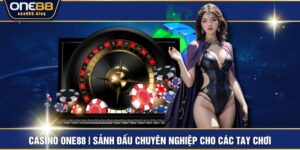
Dòng sản phẩm casino của chúng tôi hiện đang mang đến khách hàng tất cả những bộ môn, trò chơi cá cược kinh điển nhất của các sòng bạc ngoài đời như blackjack, tài xỉu, xóc đĩa, roulette, TVShow, baccarat, poker,… Điểm đặc biệt hơn cả là tại ONE88, khách hàng sẽ được chơi trực tiếp với các dealer là người thật qua các phiên livestream.
Bên cạnh đó, mỗi trò chơi lại có cả trăm bàn chơi với những mức cược khác nhau, phù hợp với tất cả đối tượng khách hàng tham gia. Mỗi bàn chơi như vậy đều sẽ được trang bị tối thiểu 5 camera không góc chết. Từ đó đảm bảo tính công bằng trong từng kết quả.
Xổ số ONE88 1 ăn 99 cực HOT
Nếu yêu thích những con số và có nhu cầu kiếm tiền từ chúng thì xổ số của chúng tôi chắc chắn là sự lựa chọn phù hợp nhất. Hiện ONE88 đang cung cấp rất nhiều loại hình xổ số cho khách hàng lựa chọn, chẳng hạn như:
- Xổ số truyền thống 3 miền
- Lô đề 2-3-4 số
- Xổ số siêu tốc
- Xổ số nhanh
Điểm “hút khách” của dòng sản phẩm này còn nằm ở mức trả thưởng hậu hĩnh khi tỷ lệ luôn nhỉnh, thậm chí cao hơn các đơn vị khác cùng lĩnh vực từ 2 đến 3 bậc. Chẳng hạn, nếu chơi ngoài đời, quý hội viên chỉ nhận được mức 1 ăn 70 cho loại đề 2 số thì tại ONE88, con số này sẽ là 1 ăn 99. Thậm chí với 3 càng, tỷ lệ sẽ còn là 1 ăn 990.
Nổ hũ kiếm jackpot tiền tỷ cùng ONE88
Nổ hũ cũng dòng game đang có lượng truy cập đều đặn mỗi ngày. Tại đây chúng tôi mang đến đa dạng trò chơi với nhiều thể loại, nội dung khác nhau từ đơn giản như nổ hũ đổi thưởng cho đến cốt truyện phức tạp như Avenger, Star War,…
Tuy nhiên, dù đa dạng về nội dung nhưng về cơ bản, các trò chơi đều hoạt động theo 1 cơ chế chung là khách hàng đặt cược rồi tiến hành quay thưởng và nhận thưởng nếu giành chiến thắng. Đặc biệt với tính năng “nổ hũ”, chỉ cần quay được jackpot thì toàn bộ số tiền thưởng trong quỹ chung sẽ thuộc về người đó.
Nạp rút uy tín #1
Kể từ khi đặt chân vào thị trường Việt Nam, chúng tôi đã tích cực trong việc nghiên cứu và nắm bắt thói quen giao dịch, sử dụng tiền của người chơi để từ đó tích hợp vào hệ thống những hình thức giao dịch tiện lợi, đúng nhu cầu. Theo đó, hiện ONE88 đang hỗ khách hàng 4 hình thức nạp tiền và 3 kênh ở chiều rút ra.
Tốc độ cũng điểm đáng để nhắc đến khi khách hàng chỉ mất khoảng 2 phút thao tác và khoảng hơn 1 phút ở chiều rút ra, tối đa 30 phút ở chiều nạp vào để hệ thống xử lý và chuyển tiền vào tài khoản. Dịch vụ này của chúng tôi luôn được khách hàng đánh giá cao về sự uy tín.
Nếu muốn thực hiện 2 quy trình này, quý hội viên có thể làm theo các hướng dẫn dưới đây của chúng tôi:
- Bước 1: Đăng nhập vào trang chủ ONE88 qua link vào chính thức tại https://smokemusicarchive.com/ rồi nhấp chuột chọn “nạp tiền”.
- Bước 2: Chọn 1 trong 4 hình thức giao dịch (nếu nạp) hoặc 1 trong 3 (nếu rút)
- Bước 3: Điền các thông tin có trên màn hình về số tiền muốn nạp và nguồn nạp sau đó thực hiện chuyển tiền theo tài khoản đại diện của nhà cái.
- Bước 4: Xác nhận giao dịch rồi chờ hệ thống xử lý yêu cầu. Sau đó chúng tôi sẽ chuyển tiền vào tài khoản cược hoặc các hình thức người chơi đã chọn ở trên.
Chăm sóc khách hàng hàng đầu
ONE88 tự hào khi đang là 1 trong số ít nhà cái tổ chức được bộ phận chăm sóc và hỗ trợ khách hàng chuyên nghiệp, ấn tượng hơn nữa khi các tại thị trường Việt Nam, các nhân viên của chúng tôi đều là người Việt bản địa 100% giúp khách hàng thuận tiện hơn trong việc giao tiếp.
Chỉ cần có vấn đề, thắc mắc cần xử lý, quý hội viên chỉ cần liên hệ trực tiếp qua hotline, chatbox, email hoặc các trang mạng xã hội chính thức của chúng tôi sẽ ngay lập tức được kết nối với các nhân viên tổng đài. ONE88 cam kết xử lý các vấn đề triệt để, hiệu quả trong thời gian ngắn và nhanh nhất.
Cẩm nang khuyến mãi ONE88
ONE88 là 1 trong những nhà cái có tiềm lực tài chính mạnh và bền nhất hiện nay, bằng chứng là chúng tôi liên tục tổ chức và tung ra các chương trình khuyến mãi nhằm thu hút người chơi mới cũng như tri ân các hội viên trung thành. Các đãi ngộ này có điều kiện tham gia không quá phức tạp, thậm chí còn có phần dễ dàng khi chỉ cần là hội viên chính thức là có thể tham gia.
Trong số các sự kiện khuyến mãi đang tổ chức, ấn tượng hơn cả phải nhắc đến:
Thưởng nạp đầu tặng ngay 118% đến 18 triệu đồng
Đây là khuyến mãi thay cho lời chào mừng các thành viên mới của ONE88 và áp dụng cho tất cả hội viên có phát sinh giao dịch nạp tiền lần đầu vào tài khoản cược. Theo đó, để tham gia, khách hàng chỉ cần đăng ký tài khoản thành viên rồi nạp tiền. Ngay lập tức hệ thống sẽ gửi tặng thêm 118% giá trị với tổng số tiền thưởng lên đến 18 triệu.
Ví dụ: trong lần nạp đầu sau khi đăng ký tài khoản, quý hội viên nạp 1.000.000vnđ sẽ được tặng thêm 188%, tức 1.180.000vnđ. Vậy là tổng số tiền sau khi nạp sẽ nhận được là 2.180.000vnđ.
Thưởng 18% cho lần nạp thứ 2
Sau khi nhận khuyến mãi thưởng nạp lần đầu, ngay lập tức quý hội viên có thể tham gia nhận ưu đãi thưởng nạp tiền lần 2 với số tiền thưởng tương đương với 18% giá trị tiền nạp. Về quy định tham gia, chương trình này sẽ áp dụng với các tài khoản thực hiện giao dịch nạp tiền lần thứ 2. Tổng số tiền thưởng tối đa có thể nhận trong ưu đãi này sẽ lên đến 1.800.000vnđ.
Tặng thêm tối đa 888k khi nạp P2P
ONE88 hiện đang hợp tác với nhiều đơn vị cung cấp dịch vụ giao dịch, trong đó đáng kể nhất là hình thức nạp tiền qua P2P giúp bảo mật và an toàn hơn. Đặc biệt, khi thực hiện nạp tiền qua kênh này, khách hàng sẽ được tặng thêm 2% giá trị, tối đa lên đến 888k. Chương trình này sẽ áp dụng với tất cả hội viên thực hiện giao dịch nạp tiền lần đầu trong ngày và cần ít nhất 1 vòng cược hợp lệ mới có thể rút ra.
FAQs ONE88 – Câu hỏi thường gặp
Bộ phận chăm sóc và hỗ trợ khách hàng của ONE88 trong thời gian vừa qua đã và đang nhận được tương đối nhiều phản hồi, thắc mắc của khách hàng về các dịch vụ trên hệ thống. Chúng tôi hiểu rằng đây đều là những thắc mắc chính đáng và để nâng cao trải nghiệm của khách hàng, chúng tôi đã tổng hợp và sẽ giải thích chi tiết các thắc mắc đó ngay dưới đây:
Cách đăng ký tài khoản ONE88 như nào?
Đăng ký tài khoản là quy trình cực kỳ quan trọng mà bất kỳ khách hàng nào cũng cần phải thực hiện trước khi tham gia cược. Bởi theo quy định, chỉ những hội viên chính thức, tức những người chơi sở hữu tài khoản mới được phép tham gia chơi game. Vì vậy, để đăng ký ONE88, khách hàng hãy thực hiện như sau:
- Bước 1: Sử dụng link vào chính thức ONE88 không chặn để truy cập trang chủ rồi nhấp chuột vào góc trên màn hình chọn “đăng ký”.
- Bước 2: Cung cấp 4 thông tin hệ thống yêu cầu trong biểu mẫu:
- Tên đăng nhập: Chọn 1 tên bất kỳ để đặt cho tài khoản cược. Tên này không cần trùng khớp với tên thật nhưng phải là độc nhất, không trùng với các tên đã có trên hệ thống.
- Mật khẩu: Tạo mật khẩu để bảo vệ tài khoản với tối thiểu 6 ký tự có kết hợp cả chữ lẫn số. Để an toàn hơn, hãy thêm các ký tự đặc biệt.
- Số điện thoại: Sử dụng số điện thoại chính chủ và đang hoạt động của mình. Sđt này được dùng để xác minh tài khoản.
- Mã giới thiệu: Nếu đăng ký ONE88 quá các đại lý, quý hội viên hãy nhập mã đại lý của họ vào, hoặc có thể bỏ trống.
- Bước 3: Kiểm tra lại các thông tin đã cung cấp ở trên để đảm bảo chính xác tuyệt đối rồi bấm “đăng ký”. Nếu thông tin sử dụng hợp lệ, hệ thống sẽ thông báo đăng ký nick thành công. Đồng nghĩa với việc khách hàng đã hoàn tất quy trình đăng ký và có thể bắt đầu nạp tiền và tham gia cá cược.
Vì sao rút tiền ONE88 bị lỗi?
1 trong những sự cố phổ biến nhất hiện nay là việc gặp lỗi khi thực hiện rút tiền. Trên thực tế, lỗi này thường không để lại hậu quả gì nhưng nó sẽ ảnh hưởng đến trải nghiệm của khách hàng và làm mất thời gian tận hưởng thành quả. 1 số nguyên nhân dẫn đến lỗi phải kể đến như:
- Rút sai hạn mức: Hiện ONE88 đang quy định số tiền rút tối thiểu 200.000vnđ và tối đa 100.000.000vnđ cho mỗi lần thực hiện giao dịch. Nếu rút thấp hoặc cao hơn hạn mức này thì hệ thống sẽ từ chối trả tiền và báo lỗi.
- Sai thông tin ngân hàng: Để đảm bảo tính công bằng, chúng tôi chỉ trả tiền thưởng cho chính chủ, tức là tài khoản ngân hàng nhận thưởng phải trùng khớp 100% với thông tin đã đăng ký trước đó. Vì vậy ngay từ thời điểm đăng ký tài khoản, quý hội viên nên sử dụng đúng thông tin cá nhân cũng như thông tin tài khoản.
- Thực hiện rút tiền ONE88 khi nhà cái bảo trì: Trên thực tế đây không phải sự cố bởi trong thời điểm nhà cái bảo trì hệ thống, mọi thao tác đều sẽ không thể thực hiện, trong đó có việc rút tiền. Việc cần làm duy nhất là chờ đến khi website hoạt động lại bình thường rồi tiếp tục thao tác là được.
ONE88 có giới hạn độ tuổi tham gia cược không?
Theo quy định, ONE88 chỉ cho phép các khách hàng từ đủ 18 tuổi trở lên được phép đăng ký tài khoản và tham gia cược. Chúng tôi có quyền miễn trừ trách nhiệm với các trường hợp giả mạo, gian lận tuổi.
Kết luận
Thương hiệu ONE88 đã được khẳng định ở tất cả thị trường nhà cái đang hoạt động. Chúng tôi luôn nỗ lực hết mình trong việc bảo đảm an toàn cho khách hàng khi tham gia trải nghiệm. Trong tương lai gần, nhà cái hứa hẹn sẽ còn mang đến những dịch vụ, sản phẩm chất lượng hơn nữa. Vì vậy đừng ngần ngại đăng ký tài khoản và cùng cá cược ngay hôm nay nhé.